
Riverside Neighbors by Block Source
A Riverside neighbor lookup works best as a source comparison. The parcel map finds the shape of the block. The assessor route can identify an owner at a public-service-office computer. A permit names a project participant. A directory supplies a historic occupant. A community group can offer a public contact, but not a private membership roll.
| Source | What It Shows About a Block | Access |
|---|---|---|
| Map My County GIS | Adjacent parcels, APNs, shape, jurisdiction, and map layers | Free public viewer |
| ACR assessor route | Public owner information for an APN and related parcel facts | Office computer; online owner identity is withheld |
| Recorder index | Recorded transfer parties and legal descriptions | Online from 1974; older work at Gateway |
| City or county permits | Address, applicant, contractor, work description, and dates | City Building and Safety, TLMA, or file request |
| Directories and newspapers | Historic listed occupants and local events | Library, museum, archive, or licensed collection |
| Neighborhood organizations | Public officers, contacts, events, or civic information | Organization contact route; membership is private |
Owners are not the same as occupants. A mailing address can belong to a business or agent, a directory can be out of date, and a permit can name a builder who never lived at the parcel. The block record should describe what each source shows, not merge all clues into a household roster.
Riverside Neighbor Sources Compared
Official records and commercial compilations serve different roles. Use the first for a dated, traceable clue and the custodian's correction path. Treat the second category as an unverified lead that can merge names or lag a change.
| Source type | Strength | Limit |
|---|---|---|
| County, city, court, or library record | Named keeper, access rule, and source date | May omit occupants, restrict access, or require a counter or request |
| Commercial people-data compilation | May gather clues from several public or licensed sources | Can cost money, merge same-name people, lag corrections, and is not an official record |
Map Riverside Neighbors in Map My County
Map My County gives the cleanest first view of a Riverside block. Search an address or APN, zoom until parcel lines appear, click the subject polygon, and note its APN. Then click each touching parcel and each parcel across the street. The goal is a verified APN list, not a list of presumed households.
- Locate the subject address and use Identify to confirm the parcel polygon.
- Record the subject APN, situs, and city or unincorporated label.
- Click touching and across-the-street polygons, saving each APN and address.
- Use layers for boundary, zoning, flood, supervisorial, and service-district context.
- Transfer each APN to the appropriate ACR or tax lookup for the next source.
Measure tools show distance only. They do not create a legal boundary or a resident match. A live viewer should not be described as having a buffer result unless that control is actually present.
Riverside APNs to Public Owners
Riverside's online property search accepts street number and street name or APN. RivCoView adds map navigation and panels for assessment and tax data, sales, permits, census, and school information. The assessor intentionally does not display owner identity online. Public ownership information is available at ACR public-service-office computers using an address or APN under Revenue and Taxation Code §408.
That office route is the key difference between a parcel map and a person search. Bring the APN list, ask for the public roll, and record the date of the result. Owner mailing address is separate from situs. A homeowner exemption may support an owner-occupancy inference, but it is not proof that every person at the address is a current resident.
| Property Address | Street number and name; omit city or suffix if the portal requests only the street line. |
|---|---|
| APN | Assessment parcel identifier; use it to return to the same land. |
| Map click | Select a parcel and nearby polygons for a block view. |
| Owner route | ACR public-service-office computer, not the online owner display. |
Across-Street Riverside Neighbors
Touching parcels and across-the-street parcels answer slightly different geography questions. The former share a boundary on the map. The latter face the same road but may sit in another jurisdiction, service district, or postal route. In Riverside County, that distinction matters near county lines, annexed areas, and large unincorporated communities.
Keep the map result with the date viewed. A parcel layer is informational, while a recorded subdivision map or survey controls a boundary question. If the goal shifts from the immediate block to every address on a named street, use the Riverside street directory workflow instead of stretching a block map into a streetwide list.
Definition. An APN list names mapped assessment parcels. A household roster would claim who lives there. The first is a public map task; the second requires separate evidence and may not be public.
Riverside Neighborhood Contacts, Not Members
Riverside County has no authoritative countywide neighborhood-association membership directory. City of Riverside publishes community contacts, while other cities use commissions or association pages. Unincorporated communities may work through municipal advisory councils, community councils, neighborhood groups, county supervisor offices, or local organizations. Temecula, Murrieta, Coachella Valley, and other communities maintain their own public-facing networks.
Public officer and contact pages can help a newcomer learn about an event or reach a board. They do not make member names or household rosters public. Ask an organization how to join or attend. Do not ask a volunteer to disclose a private member list, and do not treat a chamber directory as a resident directory. Chambers publish business contacts, not a complete block census.
| Public community contact | Officer, office, event, or meeting information when the organization publishes it. |
|---|---|
| Private membership list | Not presumed public; request participation through the organization. |
| Historic block clue | Library, museum, yearbook, newspaper, or criss-cross directory material with date and coverage limits. |
Permits Show Riverside Block Change
Permit and code files can explain why the block looks different over time. Riverside city's official property-research guide identifies address-arranged Building and Safety files, Public Works tract maps and a street-name-change index, Museum of Riverside material, library local history, and assessor evidence. A permit may show an applicant or contractor, record number, address, work description, application or issue date, final date, and status. Plans or personal contact details may require a file request or may be withheld.
Outside the city, use the responsible incorporated-city department or county TLMA for unincorporated land. Police reports remain with the responsible police department or Sheriff station, not the recorder. These distinctions keep a neighbor lookup local to the right custodian instead of sending every address to ACR.
Riverside Voter Data Has a Purpose Limit
California voter rolls are not open for casual neighbor browsing. My Voter Status asks a voter for first name, last name, date of birth, and a California driver license or state ID number or the last four digits of the Social Security number as directed. It returns that voter's own registration, ballot, and election information. It is not a reverse directory.
Elections Code §2194 limits voter-file access to election, scholarly, journalistic, political, or governmental purposes. Statewide file access requires an application and the research reports a $100 statewide fee. A specific-voter request for up to ten people requires full name, date of birth, county, and residence address, with a $30 per-person charge capped at $100. The Riverside Registrar FAQ gives local guidance; the California voter-information rules describe access and safeguards, and the state voter-file application shows the required fields and declarations. Safeguards prohibit harassment, unauthorized personal or private communication, and other impermissible use.
This is the practical myth check for Riverside neighbors: a public registration system does not create a public block list. Use a permitted data process or another lawful, dated source.
Riverside Safety and Scam Reports
A block search can expose clues that scammers also exploit. The California Attorney General accepts consumer complaints about businesses, and the FTC ReportFraud route handles interstate impersonation and fraud reports. Verify an agency domain and call a number obtained independently before paying for a deed copy, property-fraud alert, jury-duty claim, or supposed unclaimed-property service.
Do not treat a public neighbor clue as an invitation to contact a household. If a record suggests immediate danger or fraud, use the appropriate police, Sheriff, court, Attorney General, or FTC route rather than confronting a person at an address.
California's consumer complaint page is a safer route when a business solicitation tied to a Riverside record seems deceptive.
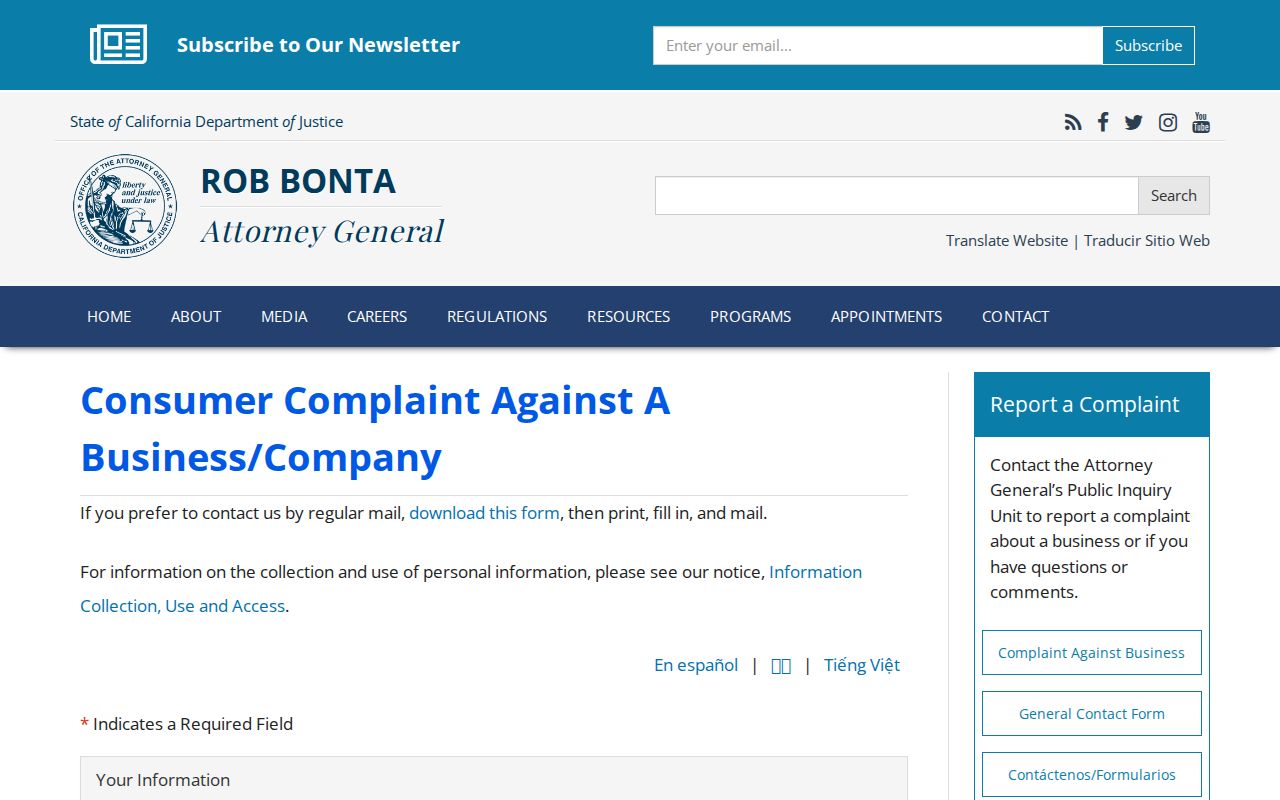
The complaint route keeps the response with the agency that can investigate a business claim instead of turning a block clue into a personal confrontation.
The FTC fraud-reporting form handles a different layer of risk when a Riverside neighbor search intersects an interstate scam.
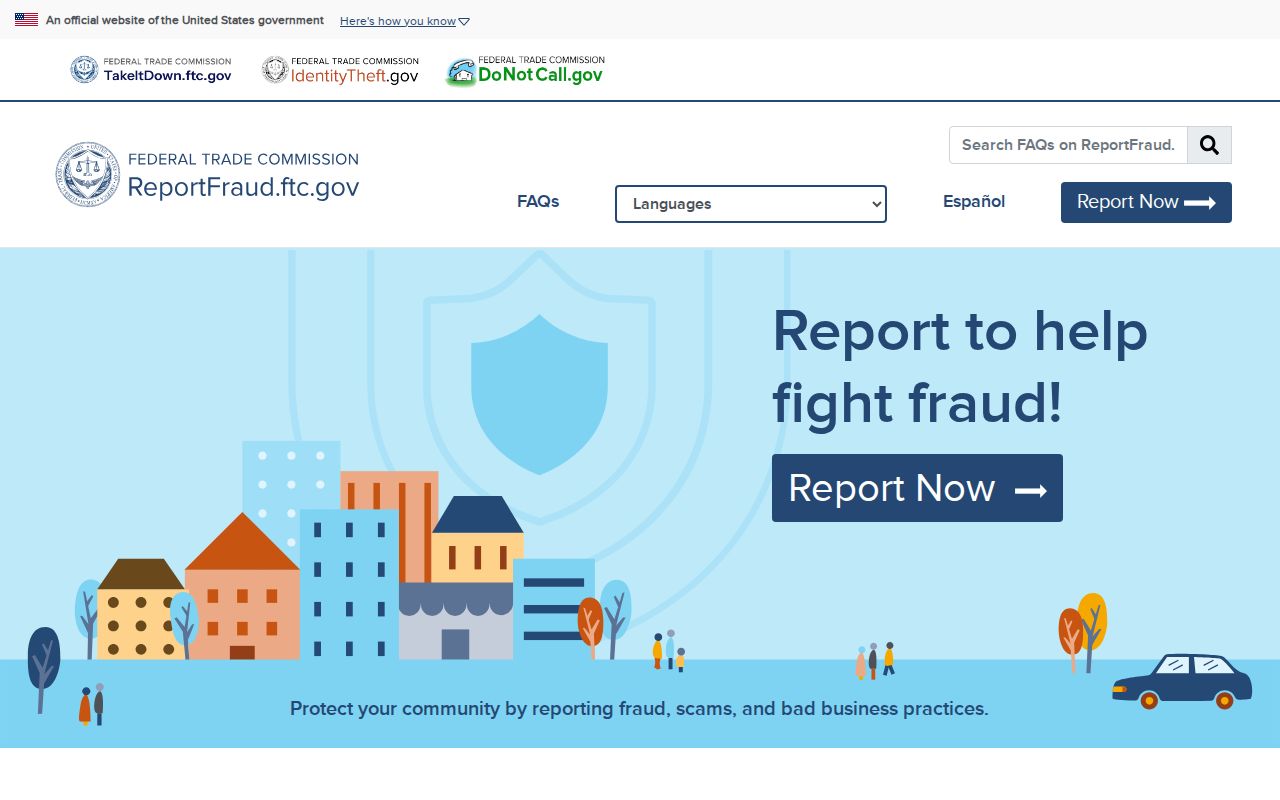
Keep the report, date, and source details. Do not publish a suspected person's address as part of a warning.
Privacy Limits on a Riverside Neighbor Lookup
Utility, delivery, DMV, and customer account data are not public block records. Unlisted occupants, renters, household members, and people who do not appear in a directory may remain absent from every legitimate source. Ownership does not equal occupancy. California's Safe at Home program gives qualifying survivors and reproductive-health personnel or patients a substitute mailing address and confidential voter registration.
Do not defeat a protected address through cross-record matching. The federal Driver's Privacy Protection Act limits DMV personal data, and voter rules add purpose, security, and anti-harassment limits. A blank result can mean protection, noncoverage, a different custodian, or no indexed record. It is not proof that a person is absent.
Lawful use. Riverside neighbor research is for personal, civic, historical, and safety-aware use. Do not assemble a block roster to watch, intimidate, stalk, harass, or harm anyone. If a resident is protected, leave the protected address alone.
California's Safe at Home program explains why some Riverside neighbors will not appear at a residential address in public-facing records.
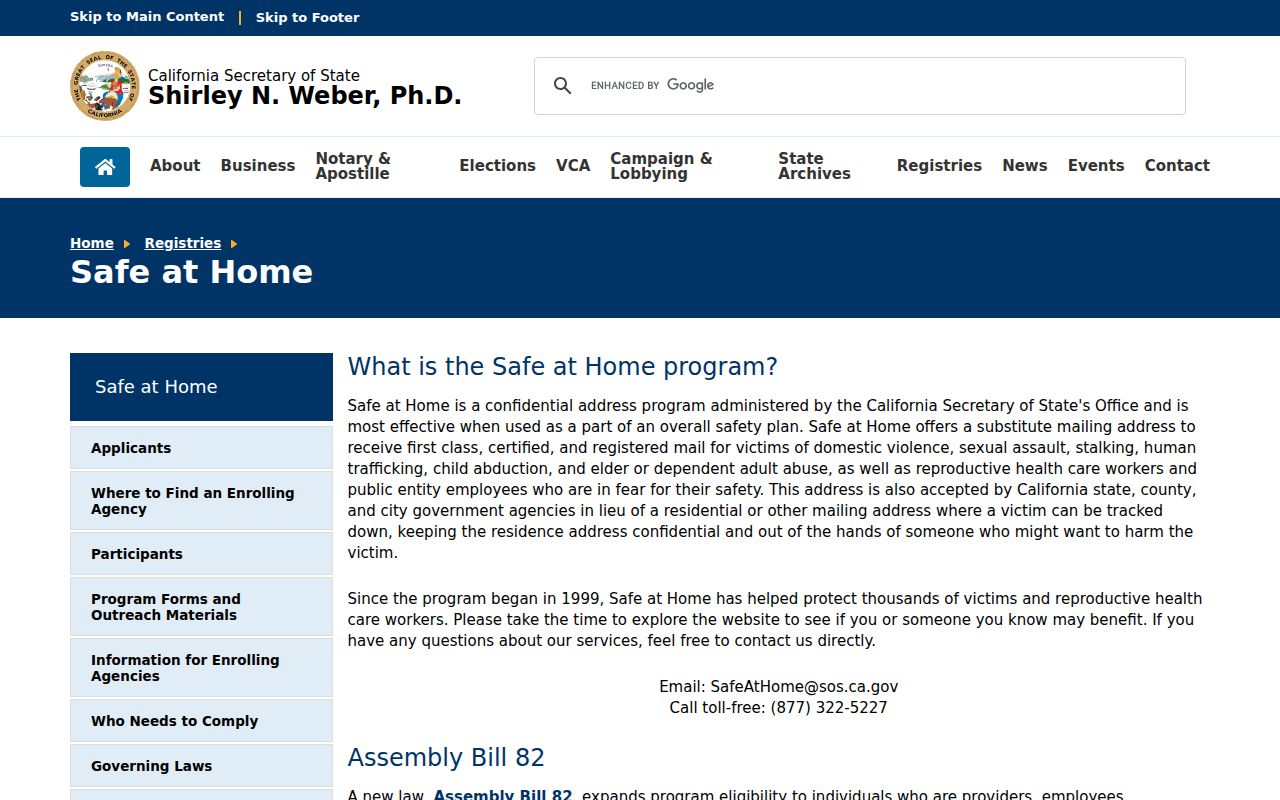
A substitute mailing address and confidential voter registration are privacy protections, not missing data to be bypassed.